
A Different Standard in Prosthetic Care
Prosthetic care is often misunderstood as a process focused solely on fitting a device. In reality, it is a long-term clinical relationship that directly impacts mobility, comfort, and quality of life. For many patients, the difference between success and frustration comes down to how that care is delivered from the very beginning.
At Around and About Inc., prosthetic care is approached with a level of detail and intention that goes far beyond traditional expectations. The goal is not simply to provide a prosthetic. The goal is to ensure that every patient receives a solution that works in real life, not just in a controlled setting. That distinction is what defines the difference in outcomes.
Why Most Prosthetic Care Falls Short
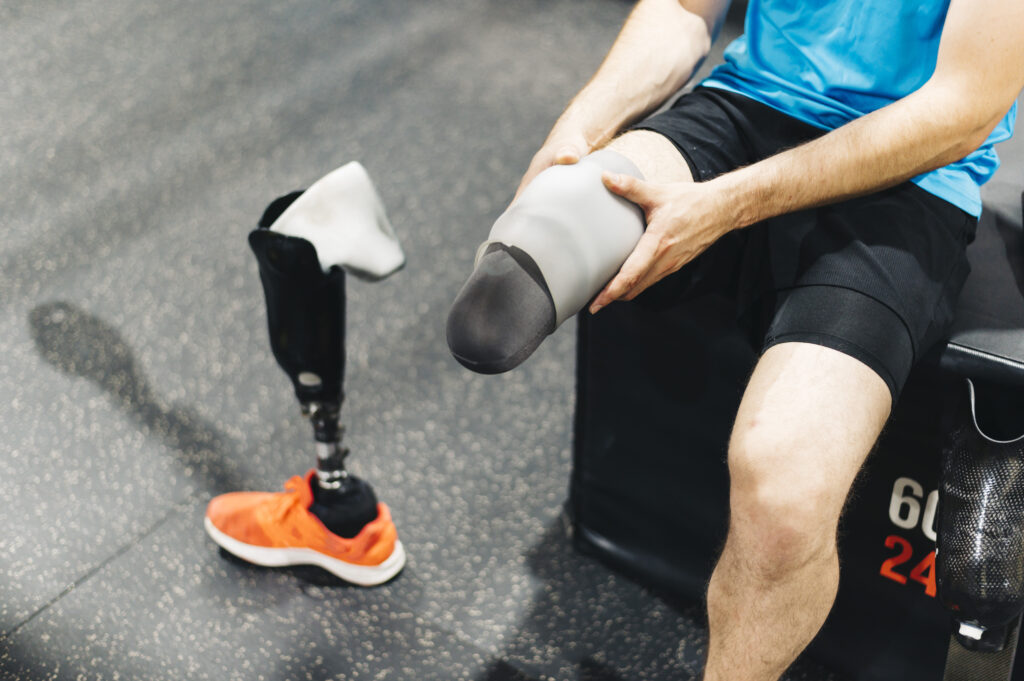
Many patients begin their journey expecting improvement, only to find themselves dealing with discomfort, instability, or limited performance. In many cases, the issue is not the technology. It is the process.
Standard prosthetic care often relies on assumptions. Devices are selected based on general categories rather than individual performance. Evaluations may be brief, and patient input may not be fully considered. Over time, this leads to a mismatch between the prosthetic and the person using it.
This is why some prosthetics are used inconsistently or abandoned entirely. The device does not align with the patient’s lifestyle, and the care process did not go deep enough to prevent that outcome.
A Patient First Approach to Prosthetic Care
At Around and About Inc., prosthetic care begins with a clear priority, understanding the patient before selecting the device. This approach ensures that every decision is grounded in real needs rather than assumptions.
The process involves listening carefully to each patient’s goals. Some individuals want to return to physically demanding work. Others want stability for everyday movement. Some prioritize comfort, while others are focused on performance. Each of these goals requires a different solution.
By building prosthetic care around the individual, the clinic ensures that the final result is not just functional but meaningful to the patient’s daily life.
Evaluation That Drives Better Outcomes
A defining feature of prosthetic care at Around and About Inc. is the emphasis on detailed evaluation. This step is treated as the foundation of everything that follows.
Instead of relying on static measurements alone, the team observes how patients move. Walking patterns, balance, and coordination are all analyzed. Patients may be guided through movement exercises to understand how different components affect their performance.
This type of evaluation allows clinicians to make informed decisions based on real data. It eliminates guesswork and ensures that the selected prosthetic supports the patient’s natural movement.
Clinical guidance from Johns Hopkins Medicine confirms that individualized evaluation plays a critical role in improving long-term prosthetic outcomes.
Testing Before Final Decisions Are Made
One of the most important differences in this approach is the use of testing. Patients are not simply given a prosthetic and expected to adapt. They are given the opportunity to experience different options before a final decision is made.
This allows the care team to see how each component performs in real time. It also allows patients to feel the difference for themselves. The result is a decision based on performance rather than assumption.
This method often leads to surprising outcomes. The most expensive option is not always the best. The right choice is the one that provides the best balance of comfort, stability, and efficiency.
For a deeper understanding of how these services are structured, click here for more detailed information.
Prosthetic Care That Reflects Real Life Demands
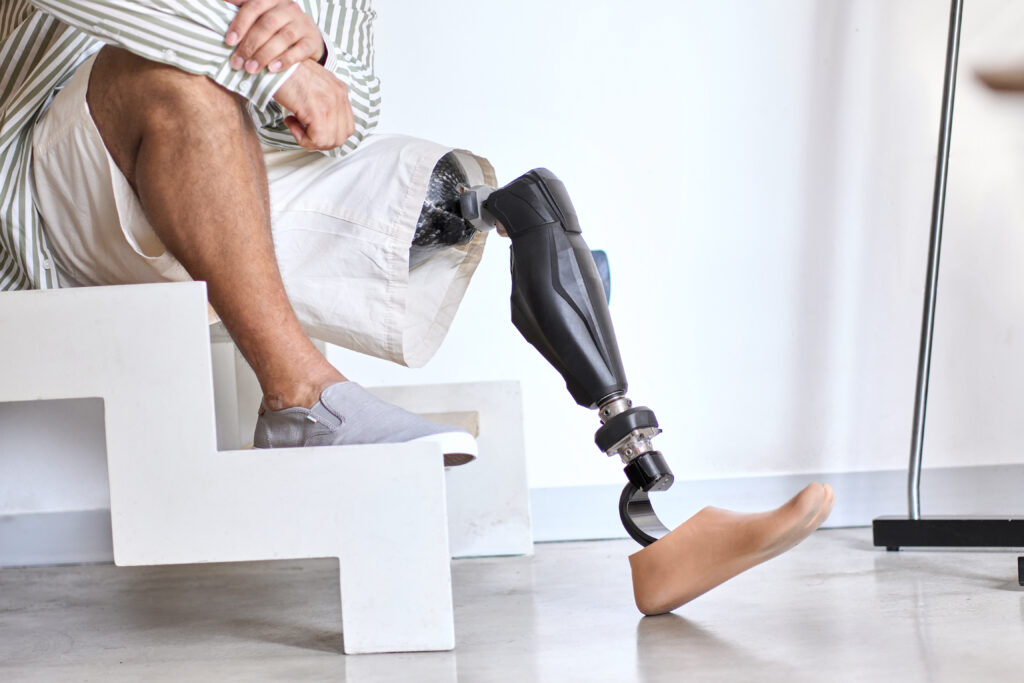
Prosthetic care must extend beyond the clinic. Patients do not live their lives on flat, predictable surfaces. They move through dynamic environments that require balance, strength, and adaptability.
At Around and About Inc., prosthetic care is designed with these realities in mind. The evaluation process includes discussions about daily routines, work environments, and physical demands. This ensures that the prosthetic is capable of supporting real-life movement.
When prosthetic care reflects real-world conditions, patients experience a higher level of confidence. Movement becomes more natural, and the device becomes a reliable part of daily life.
Addressing Past Challenges With Prosthetic Care
Many patients arrive after experiencing difficulties with previous prosthetics. They may have tried multiple devices without success. They may have been told that discomfort is normal or unavoidable.
In most cases, these challenges can be traced back to incomplete prosthetic care. When evaluation is limited or testing is not performed, important factors are overlooked.
By revisiting the process and applying a more detailed approach, the team can identify what went wrong and correct it. This often leads to significant improvements in comfort and mobility.
Patients dealing with long term issues can also benefit from understanding how proper maintenance supports performance. Additional insights are available in our article regarding proper prosthetic maintenance.
The Role of Cost in Prosthetic Care
Cost is an important consideration for many patients. Insurance coverage and out of pocket expenses can influence decisions in ways that may not always support the best outcome.
What makes prosthetic care at Around and About Inc. different is the way these factors are handled. Recommendations are based on performance first, with careful attention to what insurance will support.
This approach ensures that patients receive effective solutions without unnecessary expense. It also reinforces trust, as patients know that decisions are made with their best interests in mind.
Building Confidence Through Better Care
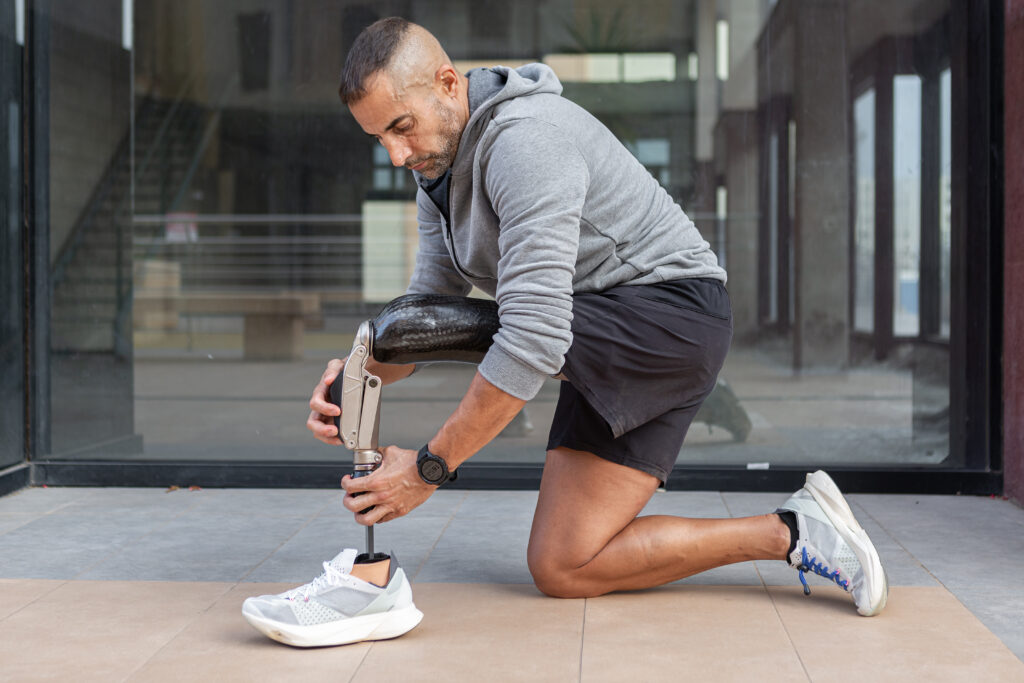
Prosthetic care is not only about physical outcomes. It also plays a critical role in building confidence. When patients trust their prosthetic, they are more likely to stay active, engage in rehabilitation, and pursue their goals.
This confidence is built through a process that is transparent and collaborative. Patients are involved in decisions. They understand why certain choices are made. They experience the difference during testing.
This level of involvement creates a stronger connection between the patient and the device. It transforms prosthetic care from a passive experience into an active partnership.
Taking the Next Step in Prosthetic Care
For anyone considering prosthetics or struggling with their current device, the next step is a better approach to care. A thorough evaluation, combined with real-world testing and patient-focused planning, can change the outcome completely.
To learn more or schedule a consultation, contact us today.
Prosthetic care should never be about settling for what is available. It should be about finding what truly works.
