
Why So Many Prosthetics Fall Short
Most patients begin their prosthetic journey with a simple expectation. They want to walk comfortably, move confidently, and return to a sense of normal life. What they often experience instead is frustration. Devices feel unstable. Pressure points develop. Movement becomes something to manage rather than something that feels natural.
Over time, many patients are told the same thing. Give it time. You will adjust. This is part of the process.
In reality, persistent discomfort is not something to accept. It is a signal that something was missed early on. In nearly every case, the root of the problem can be traced back to one stage, the prosthetics evaluation.
When that step is rushed or treated as routine, everything that follows is built on incomplete information. The result is a device that does not truly match the person using it.
What a Proper Prosthetics Evaluation Really Involves
A meaningful prosthetics evaluation is not limited to measurements or a quick fitting session. It is a clinical process that examines how a person moves, how their body responds to load, and what level of function they are capable of achieving.
At Around and About Inc., the evaluation process is built around observation, testing, and patient input. Every detail matters. Walking speed is measured. Balance is assessed. Movement patterns are observed in real time. The way a patient transitions weight, handles uneven surfaces, and maintains control during motion is carefully studied.
These are not small details. They determine how a prosthetic will perform outside of the clinic. Without this level of evaluation, even a well built device can feel unpredictable or uncomfortable.
Clinical research from Johns Hopkins Medicine supports this approach, showing that individualized evaluation directly impacts long term mobility and comfort.
Why Testing Matters More Than Assumptions
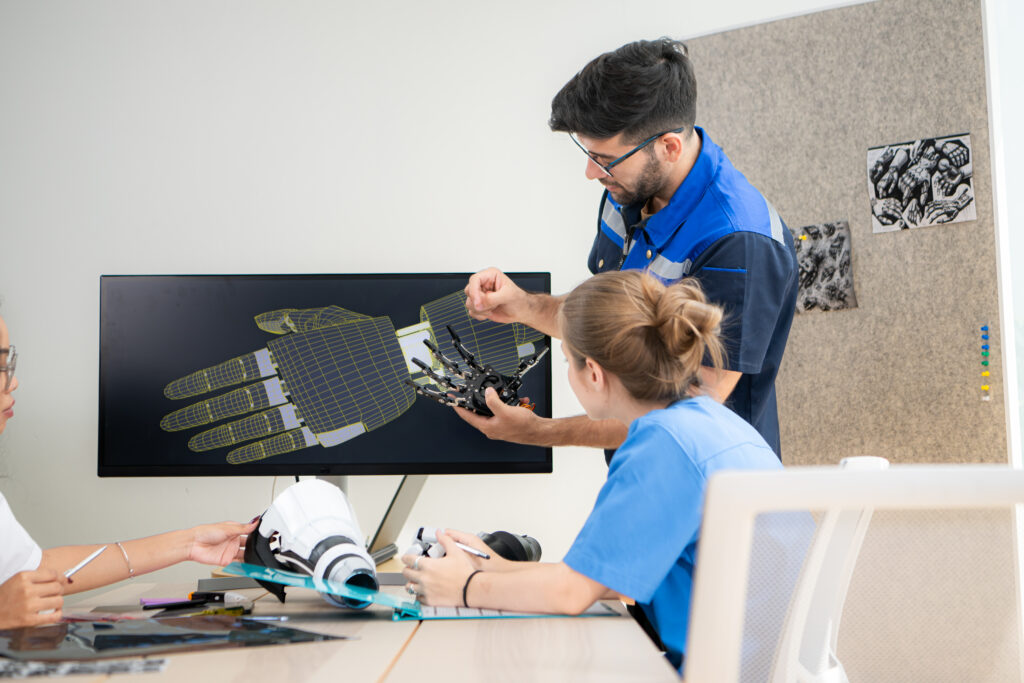
One of the biggest misconceptions in prosthetic care is the belief that advanced technology alone leads to better results. Patients are often presented with options based on cost tiers or general classifications rather than real performance.
At Around and About Inc., the process looks very different. Instead of selecting a component and hoping it works, different prosthetic options are tested. Patients walk with them. They move through controlled challenges. Performance is observed and measured.
This allows the clinical team to answer a simple but critical question. Which option actually works best for this person?
The answer is not always the most expensive solution. It is the one that produces the most stable, efficient, and comfortable movement. That distinction is what separates a functional prosthetic from one that becomes part of a patient’s daily life.
For a closer look at how these services are structured, visit
https://aroundandaboutinc.com/services/
Aligning the Device With Real Life Demands
A prosthetic is not used in isolation. It is used at work, at home, in motion, and under stress. That is why a strong evaluation must go beyond clinical observation and include real life expectations.
Some patients need to move quickly and navigate unpredictable environments. Others need endurance for long hours on their feet. Some want to return to recreational activities that demand agility and strength. Each of these goals requires a different approach.
At Around and About Inc., these factors are part of the evaluation conversation from the beginning. The prosthetic is then built to reflect those demands. The result is not just improved movement, but improved confidence.
You can learn more about the philosophy behind this approach here
https://aroundandaboutinc.com/about-us/
When Prosthetics End Up Unused
A pattern seen often in clinical practice is the patient who has tried multiple prosthetics that never felt right. Devices are adjusted, replaced, or eventually set aside altogether. Over time, frustration turns into hesitation.
What is important to understand is that this outcome is not inevitable. It is the result of a process that did not go deep enough.
A properly evaluated prosthetic should feel stable and supportive. It should not create ongoing pain. It should not limit movement. When those issues appear, they are indicators that the original evaluation did not capture the full picture.
By returning to a detailed assessment and testing process, many of these issues can be corrected. Patients who once struggled with basic mobility often experience a significant shift once the right components and alignment are identified.
For additional insight into maintaining long-term performance, our prosthetic maintenance guide provides valuable guidance.
The Balance Between Cost and Performance
Cost is a reality that cannot be ignored. Insurance structures have changed, and patients are more aware than ever of what they are responsible for paying. What makes the approach at Around and About Inc. different is how that reality is handled.
Recommendations are not driven by reimbursement levels. They are driven by performance. The goal is to find the prosthetic solution that works best within the patient’s coverage, not to push toward unnecessary expense.
This often results in a balanced outcome. Patients receive devices that perform well without paying for features that do not improve their movement. It is a practical approach that respects both clinical needs and financial concerns.
Building Confidence Through a Better Process
Confidence in movement does not come from simply wearing a prosthetic. It comes from trusting it. That trust is built during the evaluation process.
When patients see how different components perform, when they understand why certain choices are made, and when they feel the difference in real time, their confidence grows. They are no longer guessing. They know their device has been tested and selected based on how it works for them.
This level of involvement changes the entire experience. It turns prosthetic care into a collaborative process rather than a passive one.
Taking the First Step Toward a Better Outcome
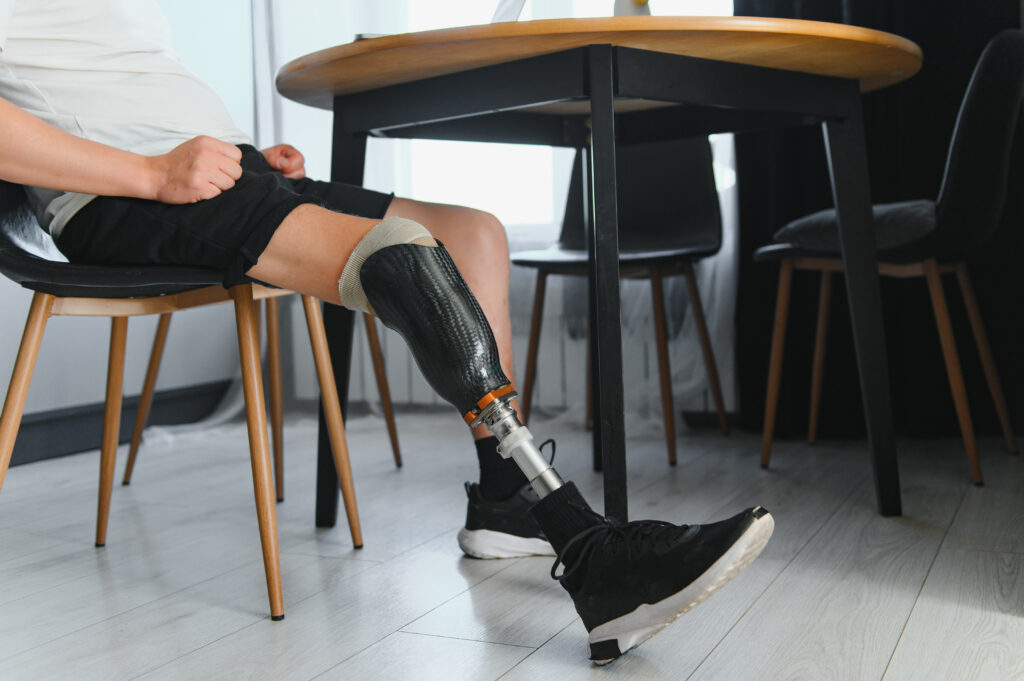
For anyone dealing with discomfort, instability, or uncertainty, the next step is not another adjustment. It is a better evaluation.
Around and About Inc. provides consultations designed to answer questions, identify issues, and begin a process that is grounded in clinical precision and real world performance.
To schedule a consultation, visit our contact page today. A prosthetic should not be something you adapt to over time. It should be something that fits, supports, and moves with you from the very beginning.
