
The New Standard for Active Living
People who lead active lives expect their bodies to move with confidence, strength, and balance. When amputation becomes part of that journey, the expectations do not disappear. They simply shift toward finding prosthetics that match the rhythm of daily movement. Standard designs are rarely enough for individuals who run, train, hike, work on their feet, or engage in high level recreation. Active users need precision, responsiveness, and a prosthetic system that works with the body rather than forcing the body to work around limitations.
At Around and About Inc., the goal is to ensure that each person receives prosthetics created for the challenges and achievements that define their lifestyle. Active prosthetic designs are not upgrades or special features. They are evidence-based solutions built for movement, stability, and long-term protection of the joints and residual limb. These devices are shaped by thorough evaluation, advanced materials, and clinical insight that draws from years of specialized experience.
Why Active Lifestyles Require a Different Approach
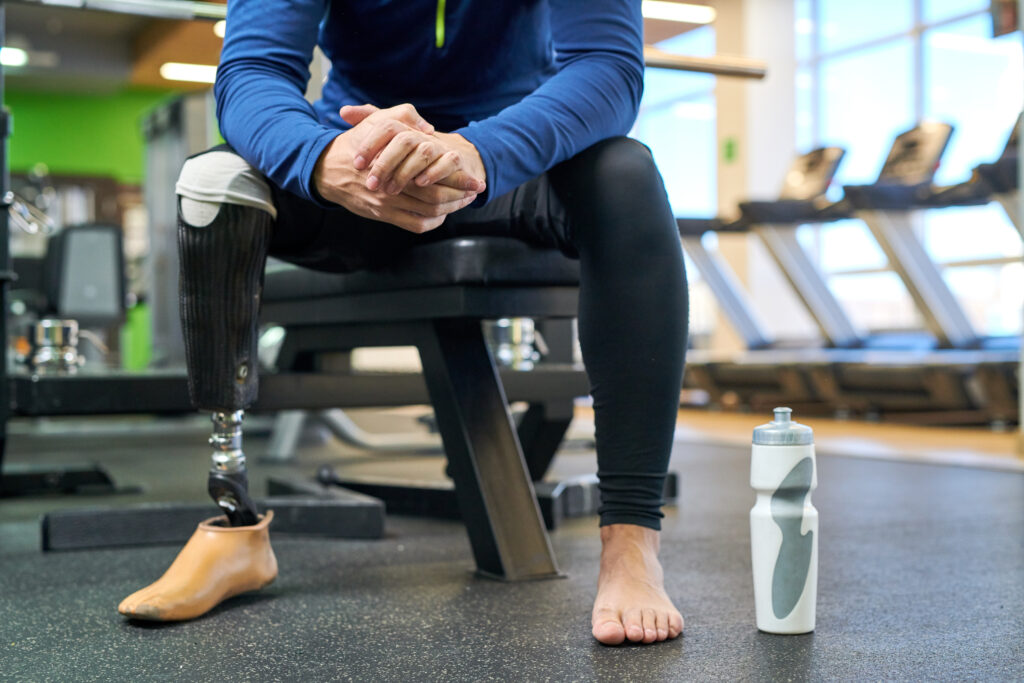
Active individuals do not place consistent low level demands on their prosthetics. They load weight at high speed, change direction quickly, manage uneven surfaces, and sustain repetitive impact. These activities require designs that distribute force evenly and support efficient energy return. Without these features, the user may experience fatigue, joint pain, or instability that limits performance. Many patients who arrive at the clinic have felt these limitations firsthand.
Active prosthetics are engineered to respond to deeper knee flexion, increased stride length, faster cadence, and variable terrain. The components must match the user’s functional level, strength, and goals. The evaluation process is therefore far more detailed than a standard fit. Specialists study gait cycles, weight distribution patterns, muscle engagement, and the way the user reacts to dynamic challenges. These observations allow the team to design prosthetics that become extensions of the body rather than equipment that must be managed.
The National Institutes of Health has published numerous findings on the importance of matching prosthetic components to functional demand. Their research shows that precise customization reduces injury risk and improves performance for active wearers. This confirms what clinical experts see every day. The more active a person is, the more important the details become.
Advanced Materials That Support Strength and Flexibility
Modern prosthetics rely on advanced materials that significantly outperform traditional components. Carbon fiber, lightweight titanium, and high resilience polymers allow the device to maintain strength without weighing down the user. These materials also produce better energy response. When a runner pushes off the ground, the foot plate stores energy and returns it through the stride, allowing for smoother and more efficient forward motion.
In the hands of an experienced prosthetist, these materials can be shaped to match the unique structure of the residual limb and the force pattern of the individual’s movement. The difference becomes more obvious as activity level rises. A well-designed active prosthetic reduces strain on the hips and spine and allows the user to move with a more natural rhythm.
To learn more about the clinical approach that supports advanced customization, users can visit the About Us page.
The Role of Expert Evaluation in Active Prosthetic Design
Evaluation is the core of successful prosthetics. Active users often require a more detailed assessment because the margin for error narrows when movement becomes fast or complex. A small alignment change may affect balance. An uneven pressure point may lead to skin breakdown. Insufficient shock absorption may contribute to long-term joint stress.
At Around and About Inc., evaluation includes functional testing, residual limb analysis, gait observation, and strength assessment. Specialists discuss activity goals, previous challenges, and the environments where the prosthetic will be used. This information shapes the choice of foot, knee, socket design, and structural components.
Many active users also benefit from specific socket designs that improve suspension and reduce movement within the device. This enhances stability and control during quick transitions. The team addresses these requirements through individualized planning, which distinguishes active prosthetics from general purpose devices.
A detailed overview can also be found on our services page.
Stability and Performance in Real Life Movement
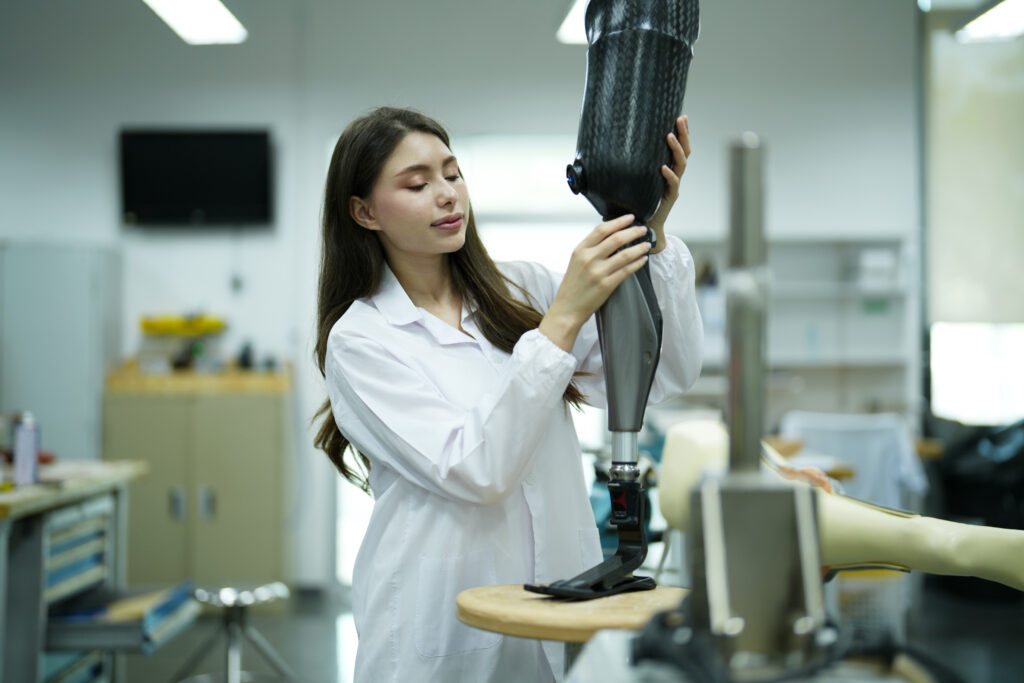
Active prosthetic designs do not focus solely on athletic movement. They also support daily challenges such as climbing stairs, rising from the floor, lifting, carrying, or navigating irregular ground. These activities require stable contact with the surface, consistent alignment, and the ability to adjust quickly without losing balance.
Specialized prosthetics may include split toe foot plates, shock absorbers, or rotational systems that reduce strain on the body. These features prevent overcompensation and improve comfort during long periods of activity. For many users, the difference is clear within the first week of use. Walking feels easier, and physical confidence increases.
Individuals who have experienced socket discomfort or mechanical issues may also benefit from reviewing the clinic’s article on long term device upkeep at Prosthetic Maintenance Guide: Keeping Your Device Performing Its Best.
Why Standard Prosthetics Fall Short for Active Users
Standard prosthetics are designed for walking at a controlled pace on predictable surfaces. They serve individuals well if their activity level remains moderate. However, these designs rarely provide the shock absorption, flexibility, or responsive energy return needed for active lifestyles.
When a standard prosthetic is used for high level movement, the result may be discomfort, instability, difficulty maintaining speed, or a sense of losing control during quick changes in direction. This is not a sign that the user lacks ability. It is a sign that the device is not matched to the physical requirements of an active routine.
Clinical experience shows that active users thrive when their prosthetics reflect their ambitions. The best results come from treating the device as performance equipment rather than a basic mobility aid.
Empowering Patients Through Education and Customization
Creating prosthetics for active lifestyles requires collaboration. Patients must understand the capabilities of each component to make informed decisions. Clear communication also ensures that the design reflects personal goals. Many individuals express a desire to return to sports, intensive work environments, or outdoor activities. These details must be part of the evaluation discussion.
Education supports safety as well. Active users benefit from learning how to adjust gait patterns, warm up effectively, maintain alignment, and recognize early signs of fit changes. When patient education accompanies advanced customization, long-term outcomes are significantly stronger.
The team at Around and About Inc. places high value on patient involvement throughout the process. Their approach supports confidence, independence, and a sense of ownership in the prosthetic journey.
Taking the Next Step Toward an Active Future
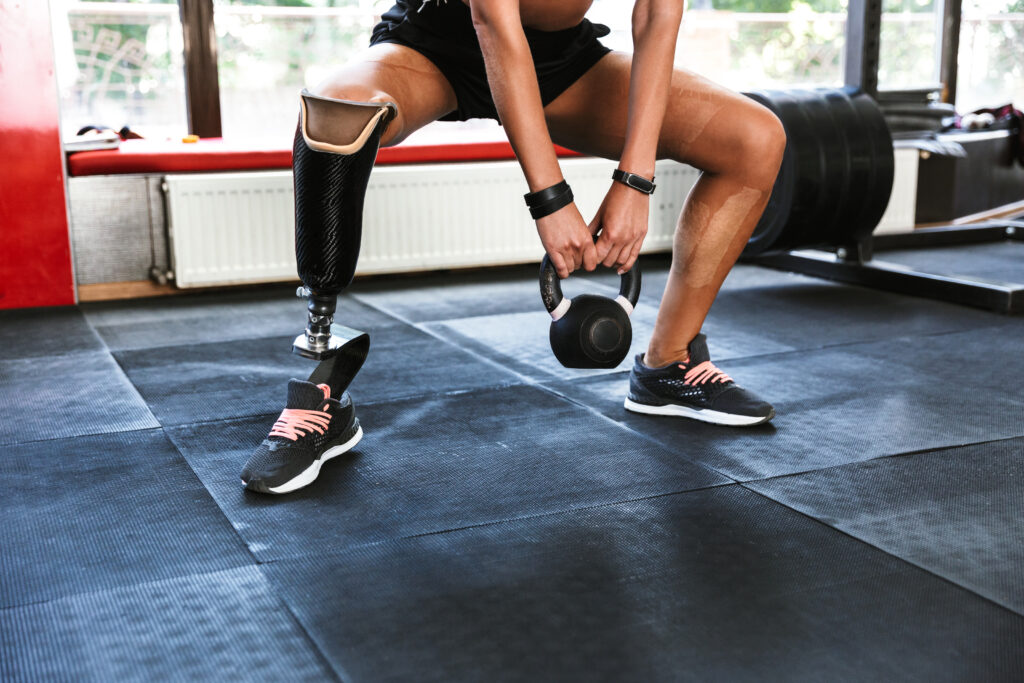
A successful active prosthetic is not an off the shelf device. It is a clinical collaboration supported by modern materials, expert evaluation, and thoughtful design. When built correctly, it becomes a reliable partner in movement, capable of supporting everything from daily tasks to demanding athletic challenges.
Patients who want to explore active prosthetic options can contact us to connect with our clinical team for a detailed consultation.
Active movement begins with a device that understands the body, responds to its motion, and supports the pace of life. With a custom design guided by clinical expertise, the possibilities for mobility expand far beyond what most patients imagine during the early stages of recovery.
