
Every prosthetic device is more than a tool. It is an extension of your lifestyle, your movement, and your independence. Whether you are newly fitted or have been using a prosthetic for years, proper maintenance is not optional, it is essential. This prosthetic maintenance guide is designed to help you understand what it takes to keep your device performing at its best so that you can focus on living life without limitations.
At Around and About Inc., we work with individuals who are learning to adjust, rebuild, and thrive after amputation. Maintenance is one of the most overlooked aspects of long-term success. It not only protects the function of the device but also safeguards your health and mobility.
Why Maintenance Matters More Than You Think
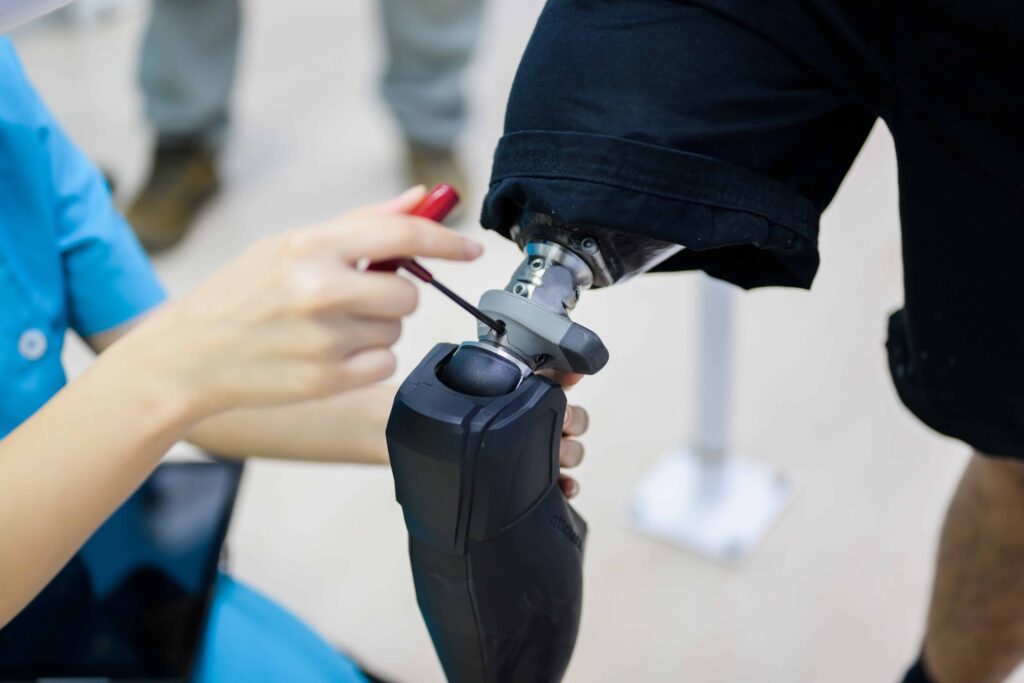
Just like any high-performing equipment, a prosthetic needs regular attention to keep working as it should. Even the most well-built prosthetics can develop issues over time if neglected. Loose parts, worn-out liners, or misalignment can cause discomfort, skin problems, or even injuries.
Beyond the physical aspects, poor maintenance can affect your confidence. A device that doesn’t feel right can discourage movement, limit your range of motion, and disrupt your daily rhythm. With regular care and observation, you not only prevent breakdowns, you protect your independence.
Our team at Around and About Inc. stresses the importance of establishing a maintenance routine early. From the first day you receive your device, you should be informed and empowered to take part in its ongoing care. You can explore more about our full approach to prosthetic care by visiting our services page.
Daily Care Habits You Should Never Skip
Successful prosthetic use starts with daily awareness. While your prosthetist will handle major adjustments and repairs, your daily habits play a central role in how your device feels and functions.
Start each day with a quick inspection. Look for cracks, unusual wear, or buildup of moisture around the socket. Keeping your prosthetic clean is critical for preventing skin irritation and infection. The liner and socket should be wiped down with mild soap and warm water, then allowed to air dry thoroughly before use.
At night, store your prosthetic in a dry, temperature-controlled space. Avoid leaving it in vehicles or near direct heat sources, as this can cause materials to warp or deteriorate. These simple actions, taken consistently, go a long way in extending the life of your device.
Know When Something Feels Off
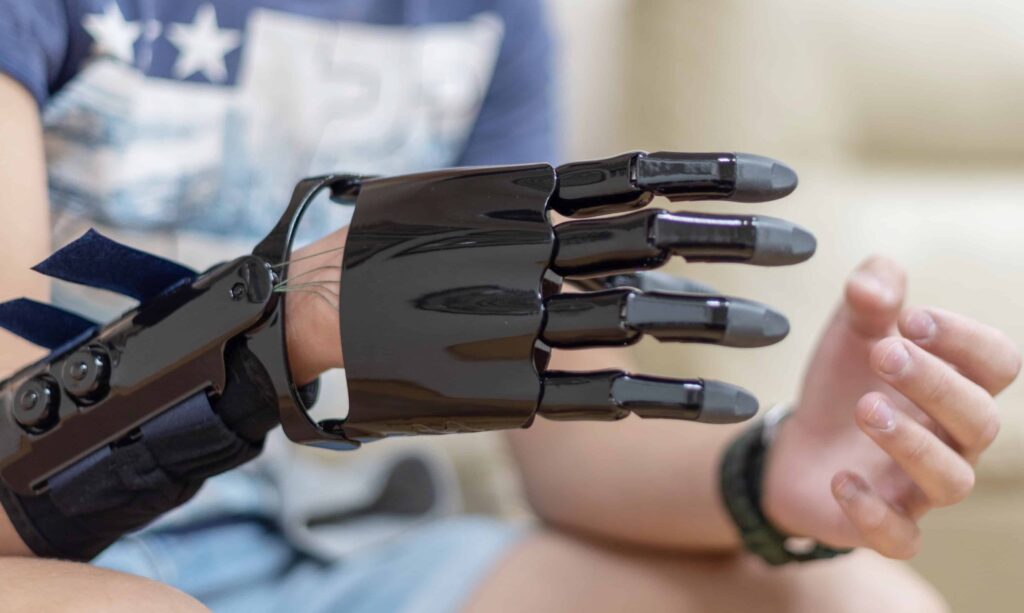
Your body is constantly changing. Weight fluctuations, muscle gain, or even swelling from activity can affect the fit and comfort of your prosthetic. One of the key indicators that maintenance is needed is when something just feels different. If your gait has changed or your device causes discomfort in places it did not before, do not wait.
Staying in tune with these early signals can prevent larger issues later. You might notice a clicking sound, a shift in balance, or redness on the skin near contact points. These are not problems to push through, they are alerts that your prosthetist should check. According to Johns Hopkins Medicine, orthotists and prosthetists are trained medical professionals who assess, adjust, and optimize prosthetic devices to ensure they continue to meet your clinical and lifestyle needs.
For patients who have been fitted at Around and About Inc., our contact page is always open to help schedule a prompt check-in.
Professional Maintenance: When to Book a Visit
While daily care is your responsibility, routine professional maintenance ensures your prosthetic stays aligned, safe, and effective. How often you should visit depends on the type of prosthetic you have and your level of activity. As a general rule, a check-in every six months is recommended, or sooner if your usage is high.
These visits allow your prosthetist to assess alignment, evaluate wear on mechanical components, and ensure that your socket still fits as it should. They also give you an opportunity to ask questions or report discomfort you might not have noticed consciously. Maintenance visits are also the time to replace liners or straps, recalibrate joints, and tighten moving parts.
The Amputee Coalition offers a helpful prosthetic wear and care resource to help you stay informed between appointments.
Common Mistakes to Avoid
Many patients unintentionally shorten the lifespan of their prosthetic through habits that can be corrected. Ignoring discomfort, using abrasive cleaners, or modifying your device without guidance are just a few of the pitfalls to avoid. Also, do not skip liner replacement schedules or delay repairs when something breaks. These choices might seem small in the moment, but can result in significant setbacks or even injury.
It is also important to avoid overcompensating. When a prosthetic starts to feel off, some individuals adjust their posture or gait to compensate. This can lead to strain on other joints or muscles and create long-term physical problems. A better solution is to bring your concern to a professional team early.
If you are unsure whether a symptom is serious, our experts are available to provide a second opinion. Learn more about how we support patients in both minor and major maintenance needs on our home page.
Maintaining More Than the Device
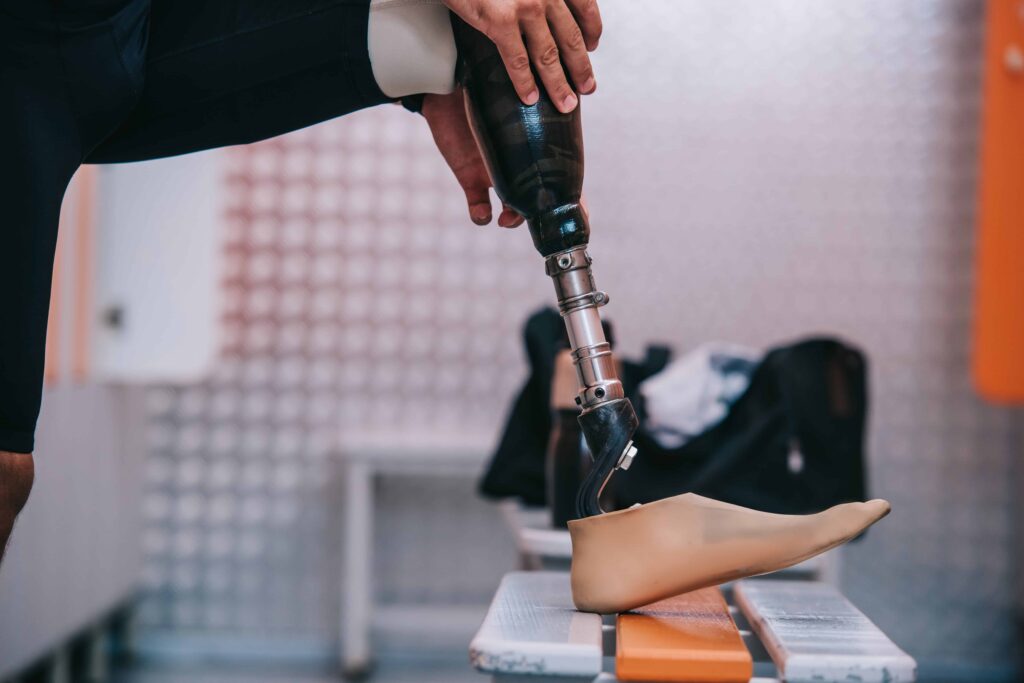
Maintenance is not just about mechanics, it is also about how the prosthetic supports your lifestyle. For some, this means adapting the device as their activity level changes. For others, it means checking in with their care team about pain management, balance, or long-term mobility goals.
At Around and About Inc., we take a holistic view. Your prosthetic is just one part of your recovery. The tools, education, and support around you also matter. We encourage patients to stay engaged with their rehabilitation routines, attend follow-up appointments, and remain active in their personal care. This approach ensures that your prosthetic works for you, not the other way around.
For those new to our services, our About Us page shares how our team of experts makes long-term care a priority from the first fitting onward.
A Guide You Can Return To
Your prosthetic should never be a source of worry. With the right habits and a responsive care team, it should be a reliable tool that helps you live fully and confidently. This prosthetic maintenance guide is not a checklist to follow once and forget. It is a mindset to carry with you through every stage of life after limb loss.As your needs evolve, so should your care. Whether you need a full device reassessment or just a small adjustment, do not hesitate to reach out. Proper maintenance is a lifelong practice, one that pays off in comfort, mobility, and peace of mind.

2 Responses